
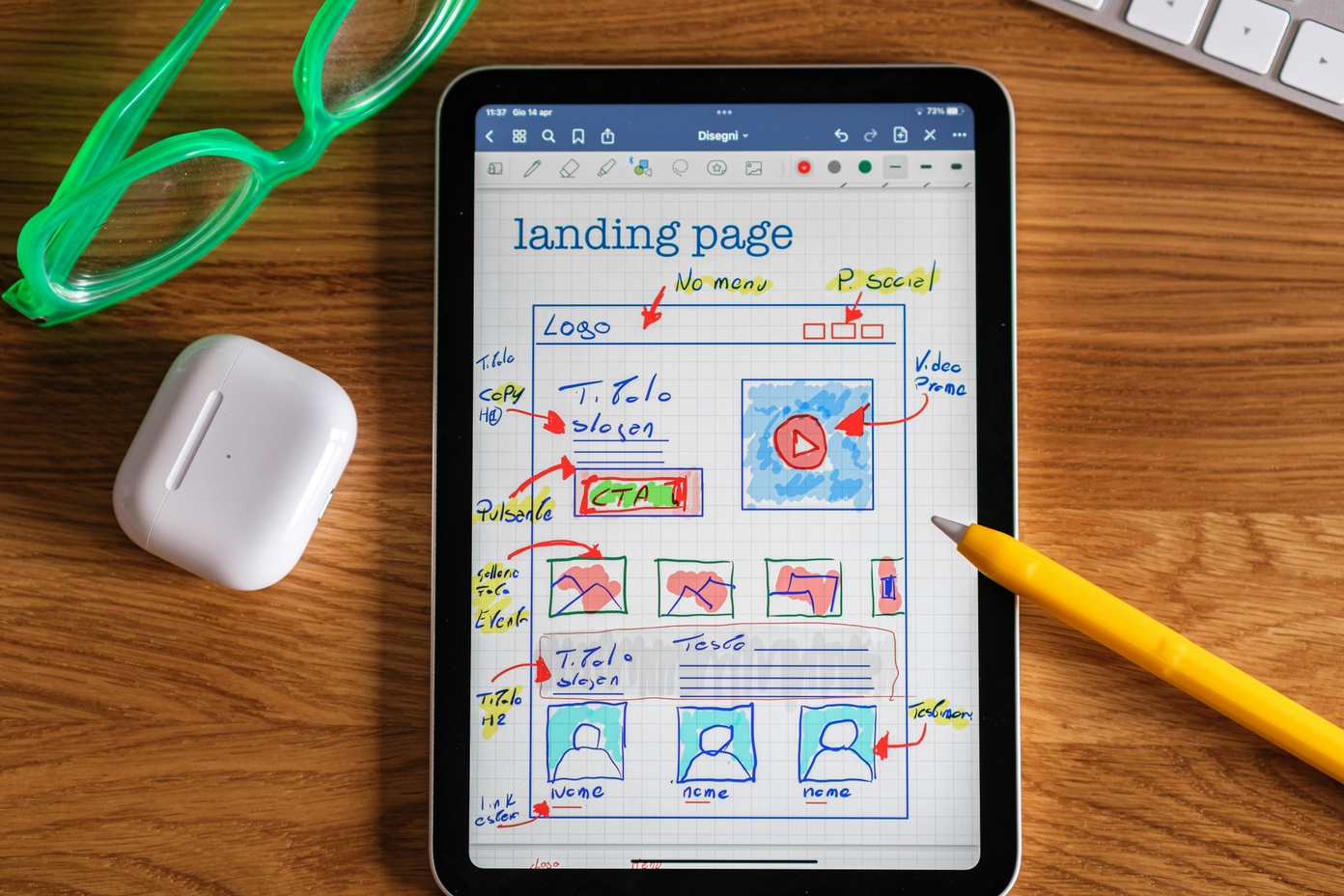
So many recruitment marketers worry about undertaking a new website project. AND there’s reason why - they can be very stressful. At SourceFlow we believe this not because of the design, the budget, or the supplier, but because of the brief.
A recruitment website project is one of the biggest marketing investments an agency makes, and the brief decides whether it returns applications, enquiries, and organic visibility, or just a nicer-looking site that does the same job as the old one.
Before you compare suppliers, discuss designs, or review timelines, agree what the website needs to achieve, how success will be measured, and what your marketing team needs once it goes live.
What makes a good recruitment website brief?
A good brief doesn't tell a supplier how to build the site. It tells everyone what the site has to achieve.
That means agreeing the commercial outcomes before anyone starts discussing layouts, functionality or timelines. Are you trying to generate more applications? Increase organic visibility? Make the website easier for marketing to manage?
Those priorities shape every decision that follows. With that context, suppliers can recommend the right solution instead of simply delivering what's been asked for. It also gives the business a clear way to judge whether the investment has delivered once the website goes live.
What a strong recruitment website design brief includes
A recruitment website design brief doesn't need to answer every question before the project begins. It does need to cover the decisions that shape how the website performs long after launch.
Before you sign off the brief, make sure it covers:
|
Brief section |
Why it matters |
|
Current website performance |
Understand what's already driving applications, enquiries and organic traffic before deciding what needs to change |
|
Business goals |
Define what success looks like, whether that's more applications, better-quality enquiries, stronger organic visibility or a more efficient marketing workflow. |
|
Priority audiences |
Candidates, clients and consultants all use the website differently. The brief should reflect the audiences that matter most. |
|
Content plan |
Decide what stays, what needs rewriting and what no longer earns its place. A rebuild is the best opportunity to improve content, not just move it. |
|
Integrated systems |
List the platforms the website needs to work with, including your ATS, CRM, analytics and marketing tools. |
|
Success measures |
Agree how performance will be measured after launch so everyone is working towards the same outcome. |
A good brief reduces assumptions. Suppliers spend less time filling in the gaps and more time solving the problems that matter to your business.
What most agencies forget
These are the ones that quietly decide whether the site performs, and most briefs leave them out.
-
Mobile-first experience. Most candidates search and apply on their phones. If the brief treats mobile as a scaled-down version of desktop, the primary experience becomes the afterthought.
-
Candidate experience, end to end. A brief that stops at the homepage misses the journey that matters: search, job page, application, confirmation. Brief the whole path, not just the shop window.
-
Analytics and tracking setup. If the brief doesn't specify what gets measured and how, you launch blind and spend the first quarter guessing what's working. Agree the tracking before build, not after.
-
Stakeholder sign-off process. Name who approves what, and when. Half of all rebuild delays aren't technical. They're three senior people disagreeing about the homepage in week nine.
-
An agreed definition of success. If "success" isn't written down before the project starts, everyone quietly measures it differently, and no one can say whether the investment worked.
Miss these and the site can still launch on time, on budget, and underdeliver for a year before anyone can explain why.
Questions to ask before choosing a recruitment website builder
The way a supplier answers these questions often tells you more than their portfolio. Look for clear explanations, practical examples and evidence they've solved similar challenges for recruitment businesses before.
These questions surface how a supplier approaches recruitment website design, long-term performance and day-to-day marketing needs. This is also where recruitment website development experience shows: the build matters as much as the look.
|
Question to ask |
What a good answer sounds like |
How will you measure whether this project has been successful? |
Success is measured against the objectives agreed before the project began. Applications, enquiries, organic visibility, and marketing efficiency all count. Launching on time doesn't. |
What will our marketing team be able to update without developer support? |
Marketing teams publish content every week. Landing pages, SEO updates and campaign content should be routine marketing tasks, not development requests. |
How will you approach the content already on our website? |
A rebuild is a chance to improve content, not just design. A good supplier explains which pages deserve to stay, which need work, and which no longer support the business. |
How will the website work with our existing systems? |
Your website doesn't work in isolation. Your ATS, CRM, analytics, and marketing tools all shape the candidate and client journey, so the website has to work with them, not around them. |
Can you show us recruitment website projects that delivered measurable results? |
Case studies should show business outcomes, not just visual improvements: stronger search visibility, better candidate experience, improved marketing performance. |
On the "update without developer support" question, it's worth reading "Five things your recruitment CMS should do that most don't" before you brief, so you know what to expect as standard.
This is the kind of answer to look for:

Vetro Recruitment, a specialist agency in the health, social care, and education sectors, moved to SourceFlow and saw the difference within two months of launch.
A good brief sets the whole project up for success
The strongest recruitment website design projects begin with a clear understanding of what the business wants to achieve and how success will be measured.
That gives suppliers the context to make real recommendations. It keeps decisions focused throughout the build. And it makes the impact easy to measure once the site is live.
Planning a recruitment website project? Read more recruitment marketing insights from the SourceFlow team.